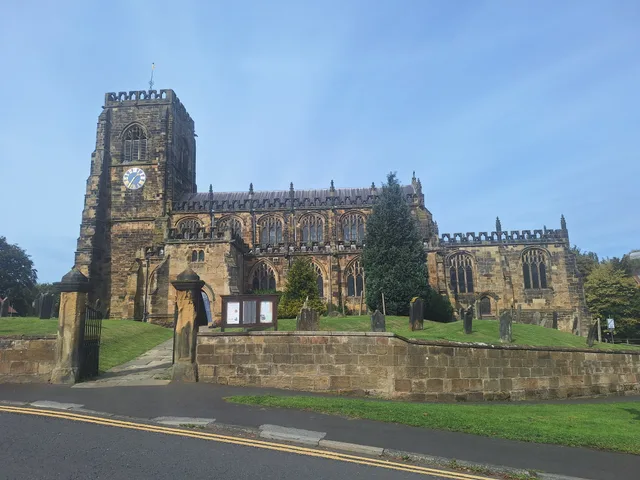
Thirsk in a few landmarks
A few places that help explain the town and make useful meeting points too.
Market town roots
Thirsk has been a market town for centuries. The Market Place is still the natural centre of town and one of the easiest places to meet a taxi.
James Herriot and Kirkgate
The World of James Herriot describes its museum as the original home and surgery of Alf Wight, the real James Herriot, at 23 Kirkgate.
Race days
Thirsk is well known for its racecourse. Race-day demand can change taxi availability around the station, Market Place and racecourse entrances.
A simple visitor route
A gentle town-centre route with sensible places to meet a taxi at the end.
1. Market Place
Start in the centre of town for the market-place layout, Clock area, shops, food stops and the easiest central meeting point.
2. Kirkgate
Walk or take a short hop to Kirkgate for the World of James Herriot and nearby heritage streets.
3. Racecourse or station
Finish with a pre-booked pickup at the racecourse, Market Place rank area, or Thirsk Railway Station depending on the next journey.
Planning your pickup
A little planning helps, especially if you are coming by train or heading out into the villages.
Town centre pickups
The Market Place is a natural meeting point, but it can be busy on market days, weekends and events. Use a precise landmark when booking.
Station to heritage stops
Thirsk Railway Station is listed by National Rail at Station Road, YO7 4LS. Visitors arriving by train often need onward travel into town.
Villages and viewpoints
Places such as Sutton Bank, Kilburn White Horse and surrounding villages work best with a pre-booked taxi, especially for one-way walks or rural returns.
Where this information came from
A few useful links if you want to check details before you visit.
World of James Herriot
Official visitor information for 23 Kirkgate and the Alf Wight / James Herriot connection.
National Rail
Current station address and passenger information for Thirsk Railway Station.
Town history notes
Background reading for the older history of Thirsk, including the market charter and early settlement notes.